Pocket Change
Coal miner vacations, Myrtle Beach, S.C., and what a trained monkey taught me about class and privilege

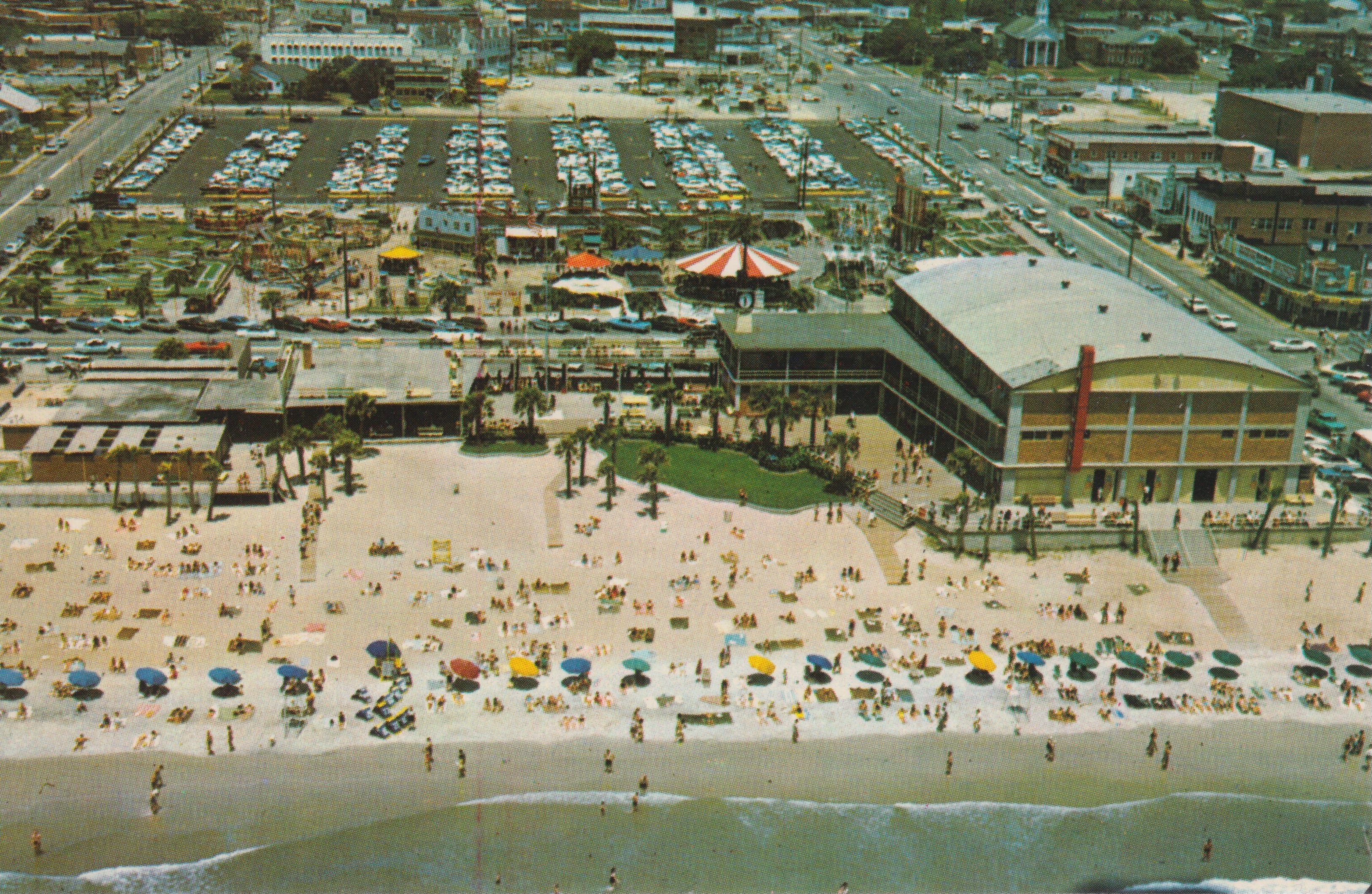
I am a naive boy of eight or nine from a remote coal town in the Appalachian mountains when I first see the little monkey. My family is on vacation at Myrtle Beach, South Carolina. When the mines shut down for two weeks every summer — always the last week of June and first week of July — we always come here the first week and spend the second week working around the house.
On this summer night in the early 1970s I am wedged in a thicket of tourists at The Pavilion, an 11-acre amusement park. A crowd has gathered around a pair of roving street performers. The man sports a handlebar mustache, a sky blue vest, a short-sleeved white shirt, brown pants, and a felt hat you might see on Robin Hood. He holds a wooden box the size of a window air-conditioner. The box sits atop a wooden pole, and the monkey perches on the box in a miniature vest and cowboy hat with a chin strap. The woman is clothed to match in a blue checkered dress with short puffy sleeves, a flouncy skirt like square dancers wear, and Mary Janes. Even though a sunburn itches my skin and the rash on my inner thighs — from playing for hours in the surf and sand — stings, I’m too enthralled to think of anything but the monkey. When the creature leaps down and scampers toward a kid holding out a coin, its furry black body and long curled tail are as captivating to me as if it were a hippopotamus. Or a narwhal. My head is already whirling from rollercoaster cars climbing a clackety track, screams escaping the Haunted Hotel, disco music thumping as the Himalaya hurls riders round and round in undulating waves under flashing multi-colored lights. The heat of the day has given way to a cool breeze blowing off the dark ocean just beyond the weathered planks of the pier. The breeze carries the scent of cotton candy, caramel corn, and funnel cakes. This carnival will be torn down in thirty years, victim to the shifting whims of tourists who want ziplines and live country music, not bumper cars, skeeball, and an antique carousel with bobbing frogs and ostriches, cherubs clanging cymbals, and a gilded pipe organ built for the 1900 Paris Exposition that somehow ended up here, near the Gay Dolphin Gift Cove.
Tonight, though, The Pavilion is thriving. Coal mining families are flush with money saved for this week of escape. So many Appalachians vacation here that a West Virginia state treasurer once joked Myrtle Beach is the landlocked state’s coastline. Vacationers wear newly purchased straw flip-flops with velvet toe straps and airbrushed T-shirts that say Keep On Truckin’. Kids and adults alike clutch strands of paper tickets needed to ride the Pirate Ship, the Mind Scrambler, and the Gravitron.
I’m not the only kid who begs his mother for a quarter and then steps into the circle. I bend a little, pinch the coin with sweaty fingers, and hope to catch the monkey’s eye. Maybe I say, “Here you go, little buddy.” I feel excited and nervous. A sign on the wooden box warns: DO NOT GRAB OR REACH MONKEY.
When the monkey sees my coin, it darts toward me. Its skinny fingers brush mine as it takes the quarter and drops it into a tiny pocket embroidered on its vest. Instead of shaking my hand, kissing my forehead, or tipping its hat in thanks, as it did with other kids, what the monkey does next surprises everyone.
After that night, I will see the monkey in summers to come, when we go on vacation and visit The Pavilion. But when I see the monkey for the last time, it will be somewhere else, under different circumstances, and I will learn that nearly everything in life comes with a cost to someone.
Back to that night. The little monkey lifts my cheap gift shop T-shirt before I know what’s happening and plants a quick kiss on my bare belly. The crowd laughs. People point. My sunburned neck and cheeks flame even redder. Although I think I might die from embarrassment, I also feel something children from coal towns rarely feel — chosen for something special, privileged.
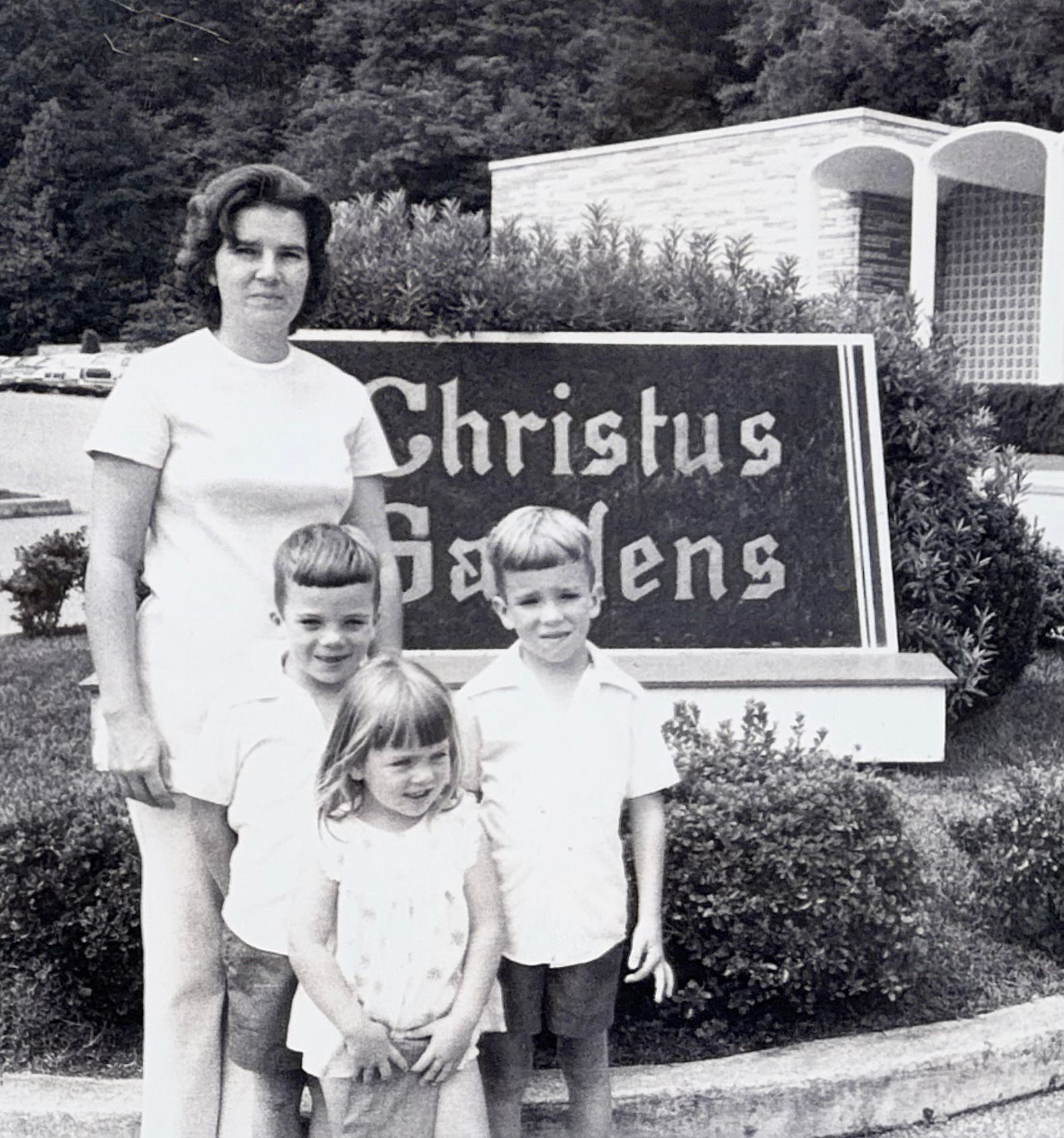
In the mountains of southwest Virginia where I grew up, people didn’t travel much. When they did, they didn’t go far. A few times my family drove a couple of hours to Gatlinburg, Tennessee, where we visited Christus Gardens and its life-sized dioramas of key moments in the Bible. Another time we went to western North Carolina, to see Tweetsie Railroad, the Mile High Swinging Bridge at Grandfather Mountain, and the Land of Oz amusement park. Like most people around us, my parents spent much of their vacation time visiting family who had migrated out of state, in search of factory jobs during down turns in the mines.
The exception was Myrtle Beach. Every coal mining family that could afford it flocked to the high-rise hotels, all-you-can-eat Calabash-style seafood buffets, and miniature golf courses with their erupting volcanoes and towering dinosaurs.
My mom and dad woke before sunrise and carried us to our car, where my twin brother slept in the window well, my little sister stretched out on the back seat, and I curled up on the floor. My dad always drove the eight hours, and the car stank of his cigarette smoke. We stopped for biscuits at a Hardee’s in Bluefield, before we turned south onto Interstate 77, nicknamed “The Hillbilly Highway,” and then made our way across the Carolinas until bumper-to-bumper traffic stopped us an hour from the beach. The land — cotton and tobacco fields stretching across a flat horizon, live oaks dripping with Spanish moss, cypress trees standing on knobby knees in swampy marshes — was a strange new world from our hills and hollers.
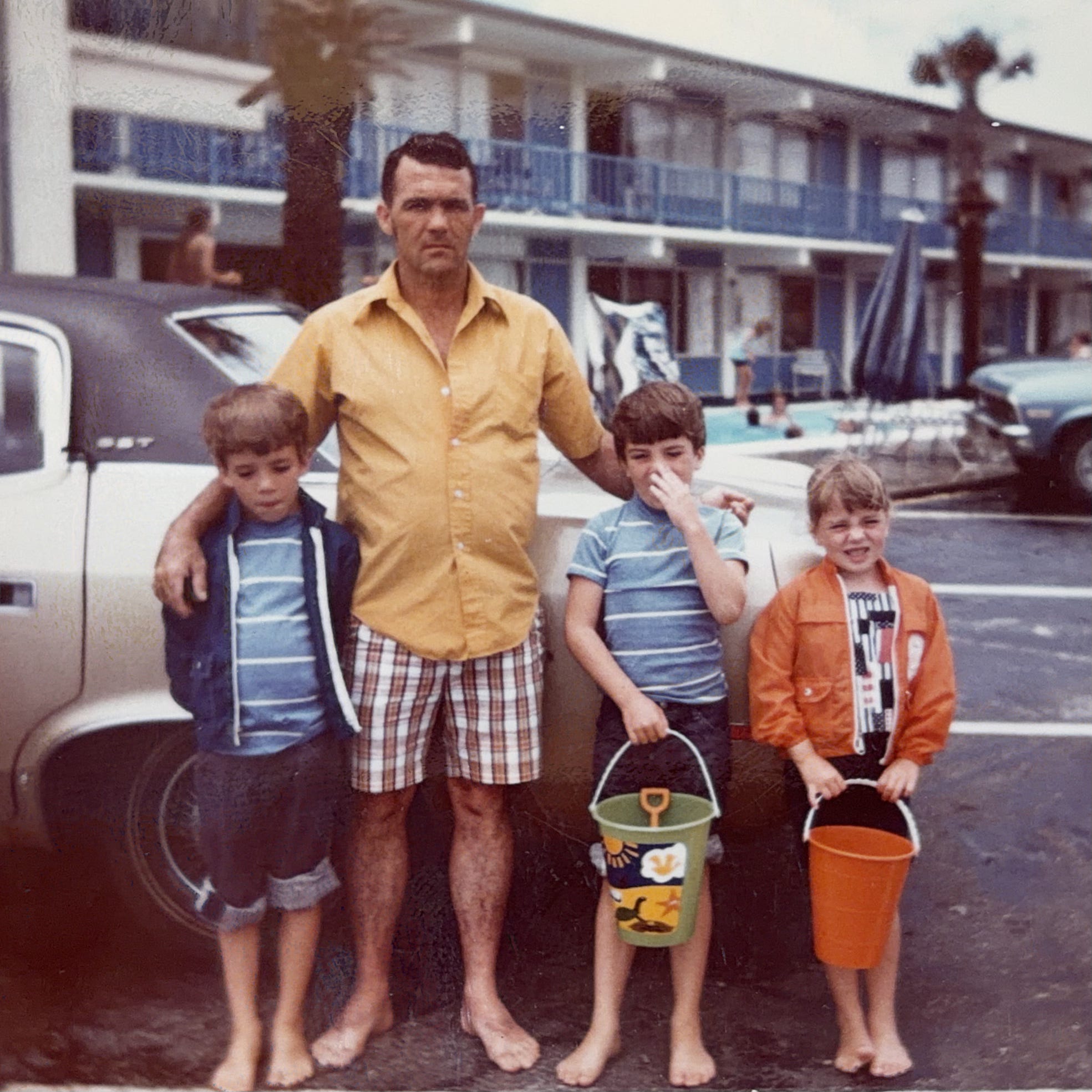
We sat in that traffic beside carloads of families from back home, alongside strangers with New Jersey, Pennsylvania, and New York license plates. Once we made it to the beach, we spent entire days riding ocean waves on rented canvas rafts so rough they chafed our nipples. We built castles on sand so hot it burned our soles, slept in hotels so air-conditioned goosebumps pricked our skin, and swam in pools long after our fingers puckered. Every night, to give my mom a break from cooking, we ate out. Because the restaurants were always crowded, my parents arrived before the restaurants opened, and still we waited in line, sometimes for an hour.
It was heaven.
I am an older boy, staring out the car window and sad to be leaving Myrtle Beach, when I see the little monkey for the last time. We are stopped at an intersection on the outskirts of town. A weathered single-wide trailer sits on a sandy lot. In the yard is a dog crate under a mimosa tree and sitting on the crate, tied to the tree, is the monkey. A wave of pity for the creature crashes over me. A wave of shame follows when I begin to understand that not everyone can afford a vacation.
Coal miners make good money, and it’s no wonder they long for the industry to come back. As the son of a miner, I knew how hard my father worked and the danger he endured to earn his pay. I was raised not to ask how much he made — or who he voted for — because that was nobody’s business. What I didn’t understand then was just how well off we were, or who else paid for the humble luxuries my dad’s labor bought us. I had no idea that another class of working people toiled behind the scenes, on the outskirts and in the shadows, to provide our one week of escape. It makes me wonder what that little monkey thought of us, all those pushy, privileged strangers demanding hat tips and handshakes and belly kisses in exchange for pocket change.
Author’s Note
FIRST TO LEAVE explores my thoughts and feelings about leaving coal country. In my debut novel, MINERVILLE (forthcoming from Regal House Publishing in summer 2028) I imagine how it feels to stay. If you enjoyed today’s essay, I hope you’ll consider sharing it with a friend. Thanks for reading!
I can feel the flush in my own cheeks as the awareness of my young, privileged life comes into view just by reading your essay.
So vivid! I’ve never been to Myrtle Beach, but I could feel it through your writing!